Introduction to DIY Fashion
In today’s fast-paced world, fashion is not just about following trends; it’s about expressing individuality and creativity. DIY fashion, short for “do-it-yourself fashion,” has emerged as a powerful movement, offering people the opportunity to create unique, personalized clothing and accessories that reflect their style. Whether you’re a seasoned seamstress or a novice with a needle and thread, DIY fashion opens up a world of possibilities for self-expression.

Benefits of DIY Fashion
One of the most significant advantages of DIY fashion is the ability to personalize your wardrobe. Instead of settling for mass-produced garments, DIY enthusiasts can create pieces that are tailored to their exact preferences, ensuring a perfect fit and style. Additionally, DIY fashion is often more cost-effective than purchasing ready-made clothing, as it eliminates the markup associated with retail prices. From a sustainability perspective, DIY fashion also offers environmental benefits by reducing the demand for fast fashion and minimizing waste.
Essential Tools and Materials
Before diving into DIY fashion projects, it’s essential to have the right tools and materials on hand. While some projects can be completed with basic sewing supplies such as needles, thread, and scissors, others may require more specialized equipment like a sewing machine. When selecting fabrics, consider factors such as texture, weight, and stretch to ensure the best results for your project.
Choosing the Right Patterns and Designs
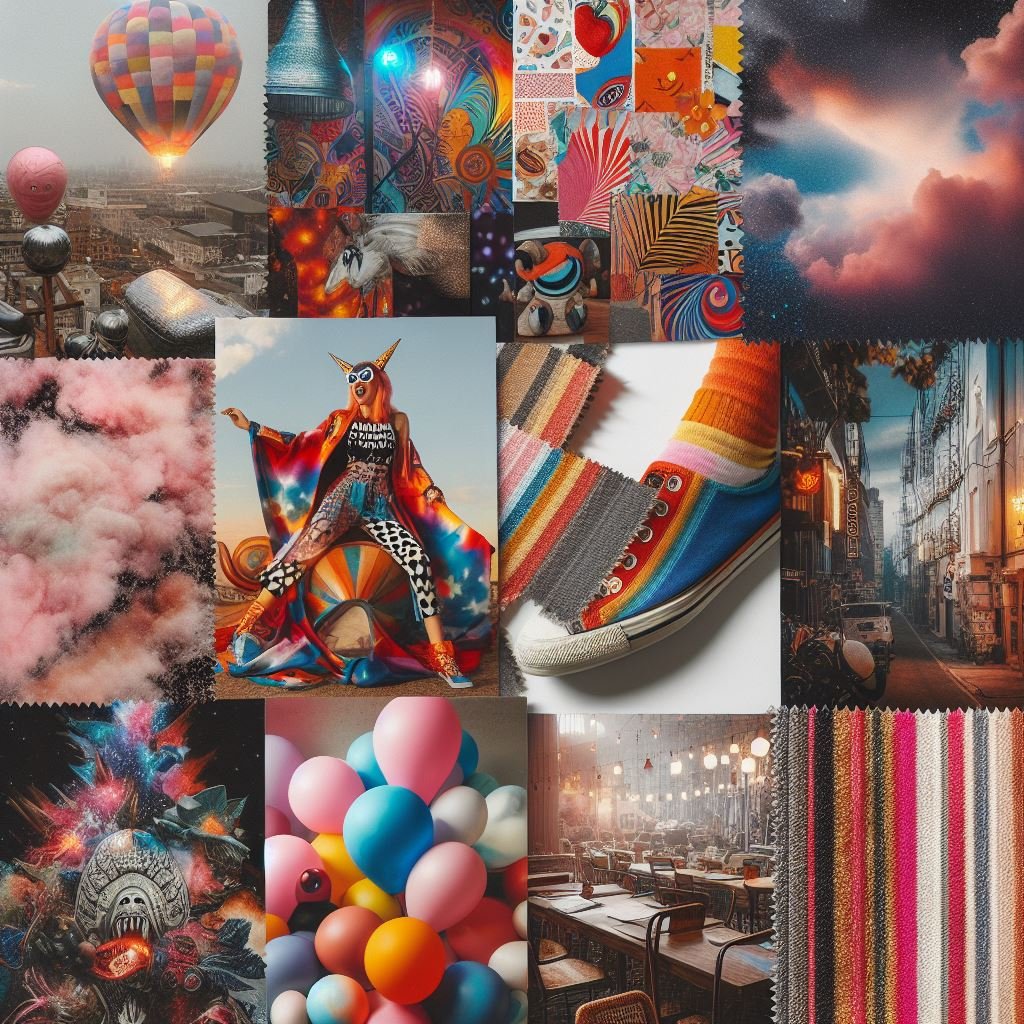
Finding the perfect pattern is key to a successful DIY fashion project. Beginners should start with simple designs and gradually work their way up to more complex patterns as their skills improve. Drawing inspiration from fashion magazines, runway shows, and online tutorials can help spark creativity and guide pattern selection.
Fabric Selection
The type of fabric you choose can significantly impact the look and feel of your finished garment. While natural fibers like cotton and linen are breathable and easy to work with, synthetic fabrics like polyester offer durability and versatility. Consider factors such as drape, stretch, and care instructions when selecting fabric for your DIY projects.

Basic Sewing Techniques
Mastering basic sewing techniques is essential for any DIY fashion enthusiast. From simple straight stitches to more advanced techniques like seam finishing and hemming, understanding the fundamentals of sewing will ensure professional-looking results. Practice patience and precision to achieve clean, polished seams that enhance the overall quality of your creations.
Garment Construction
Constructing a garment from start to finish requires careful attention to detail and precision. Begin by familiarizing yourself with the pattern instructions, taking note of any special techniques or measurements required. When cutting fabric, be mindful of pattern placement to ensure proper alignment and symmetry. Assemble the garment step by step, following the pattern instructions closely to avoid errors.
Embellishments and Customizations
Adding embellishments and customizations is where DIY fashion truly shines. Whether it’s adding lace trim to a blouse or embroidering a design onto a dress, these personalized touches elevate the finished garment and make it uniquely yours. Experiment with different techniques and materials to discover what resonates with your personal style.
Trendy DIY Fashion Ideas
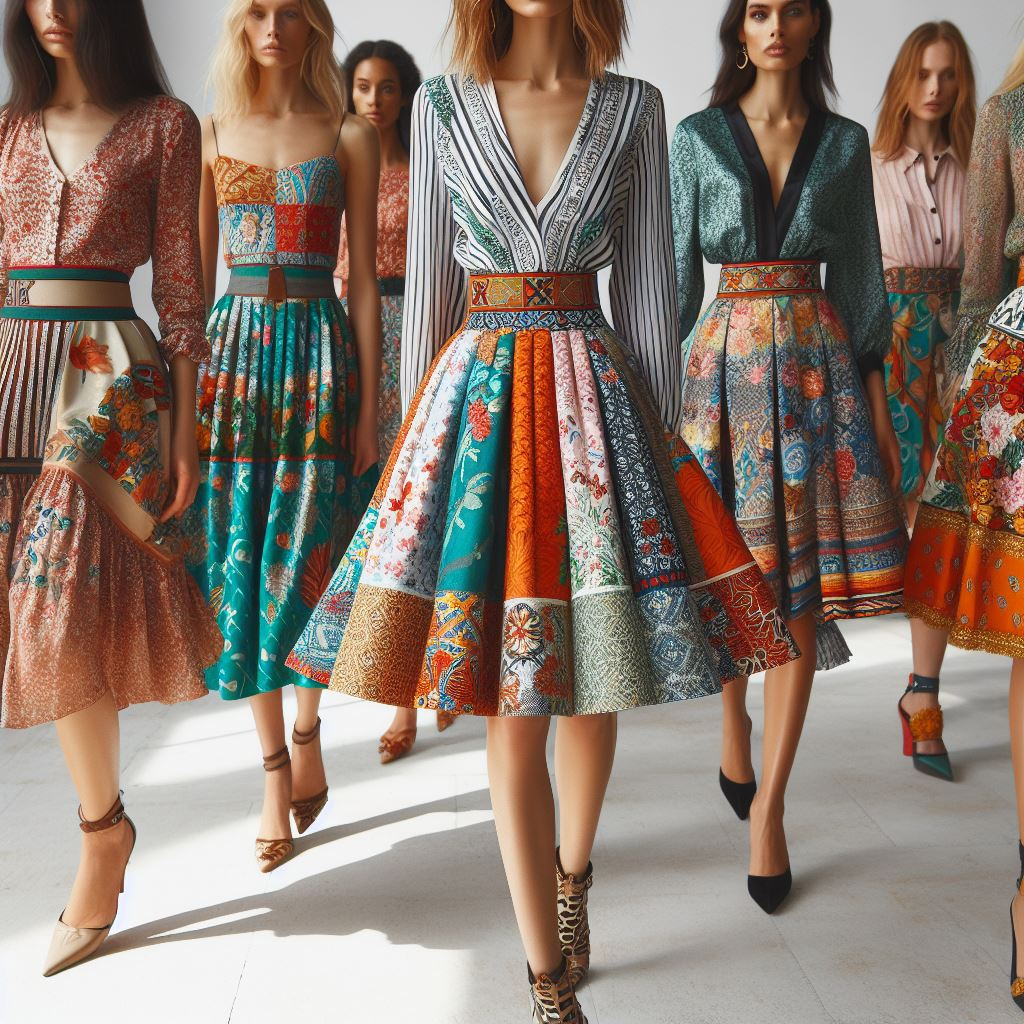
Stay on-trend with these stylish DIY fashion ideas. Upcycling old clothing is not only eco-friendly but also allows you to breathe new life into outdated pieces. Get creative with fabric manipulation techniques like pleating, ruching, and draping to create one-of-a-kind statement pieces that turn heads wherever you go. And don’t forget to incorporate current fashion trends into your DIY projects, whether it’s bold prints, vibrant colors, or oversized silhouettes.
Styling Tips
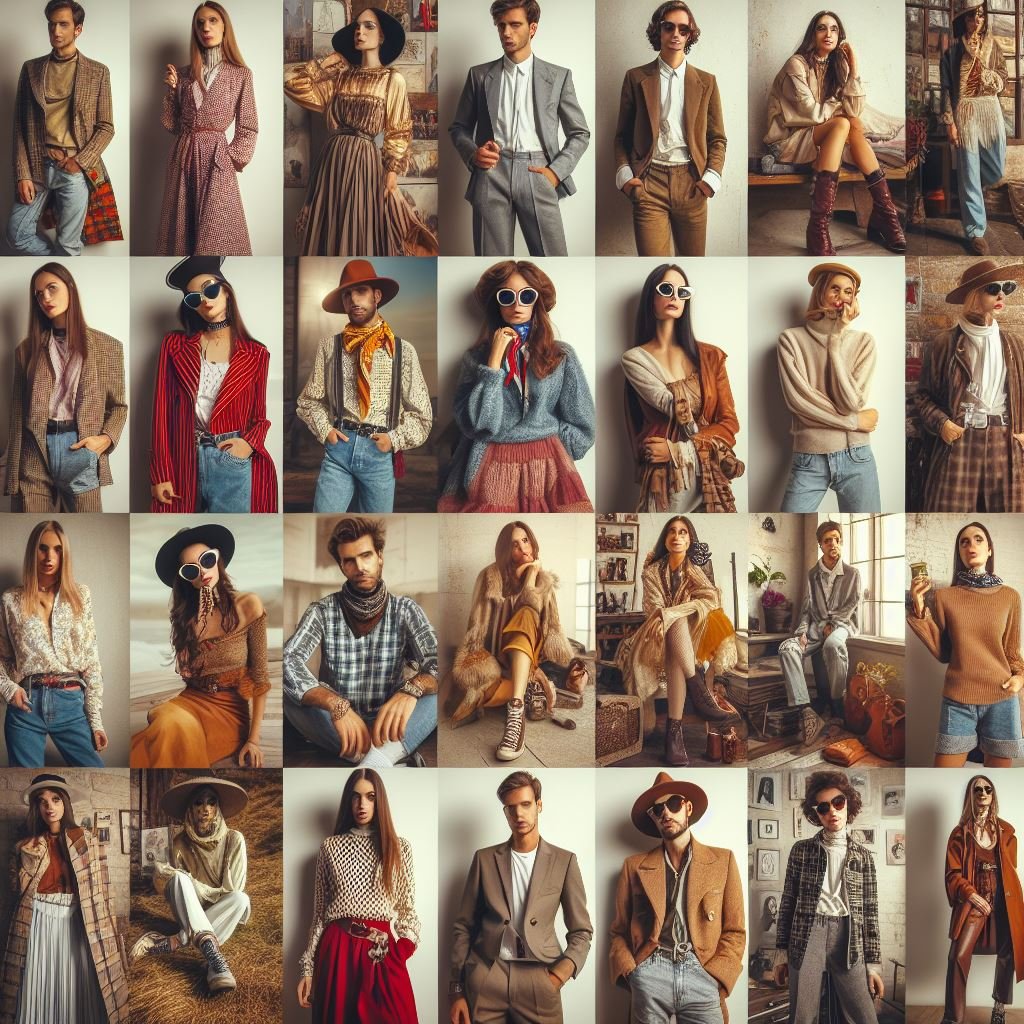
Once you’ve completed your DIY fashion creations, it’s time to show them off in style. Mix and match your handmade pieces with existing wardrobe staples to create unique and eclectic outfits. Accessories like jewelry, scarves, and handbags can add the perfect finishing touch to your look, elevating it from ordinary to extraordinary.
Troubleshooting Common Issues
Even the most experienced DIY fashionistas encounter challenges from time to time. From fabric puckering to uneven stitching, it’s essential to know how to troubleshoot common issues effectively. Take your time to diagnose the problem, and don’t be afraid to rip out stitches and start over if necessary. Remember, every mistake is an opportunity to learn and improve your skills.
Online Resources and Communities
The internet is a treasure trove of resources for DIY fashion enthusiasts. Websites, blogs, and online tutorials offer step-by-step instructions, pattern downloads, and inspiration for your next project. Joining online forums and social media groups allows you to connect with like-minded individuals, share tips and advice, and showcase your creations to a wider audience.
Safety Tips
While DIY fashion can be a rewarding and enjoyable hobby, it’s essential to prioritize safety at all times. Handle sharp tools such as scissors and rotary cutters with care to avoid accidents and injuries. When using a sewing machine, keep your fingers away from moving parts and always unplug the machine when not in use. Store needles, pins, and other small objects securely to prevent them from falling into the wrong hands.
Sustainable Fashion Practices
As awareness of environmental issues continues to grow, more people are turning to sustainable fashion practices as a way to minimize their impact on the planet. By choosing ethically sourced materials and reducing waste through DIY fashion, individuals can play a significant role in creating a more sustainable future for the fashion industry. Embrace the principles of slow fashion by investing in quality pieces that stand the test of time and support artisans and craftspeople who prioritize ethical and sustainable practices.
Conclusion
In conclusion, DIY fashion is more than just a hobby; it’s a lifestyle choice that allows individuals to express their creativity, save money, and make a positive impact on the environment. Whether you’re a seasoned sewing pro or a complete novice, there’s never been a better time to explore the world of DIY fashion and unleash your inner designer.
FAQs
- Is DIY fashion suitable for beginners?
- Absolutely! DIY fashion projects range from simple alterations to more advanced garment construction, making it accessible to people of all skill levels.
- How can I find inspiration for my DIY fashion projects?
- Draw inspiration from fashion magazines, Pinterest boards, and even nature. Keep an open mind and don’t be afraid to experiment with different styles and techniques.
- What are some essential tools every DIY fashionista should have?
- A basic sewing machine, quality scissors, pins, a measuring tape, and a seam ripper are essential tools for any DIY fashion enthusiast.
- How can I make my DIY fashion projects more sustainable?
- Choose fabrics that are sustainably sourced, upcycle old clothing, and prioritize quality over quantity to reduce waste and minimize your environmental impact.
- What should I do if I encounter difficulties with a DIY project?
- Don’t get discouraged! Take a step back, assess the problem, and seek help from online resources or local sewing communities. Remember, every mistake is an opportunity to learn and grow as a designer.