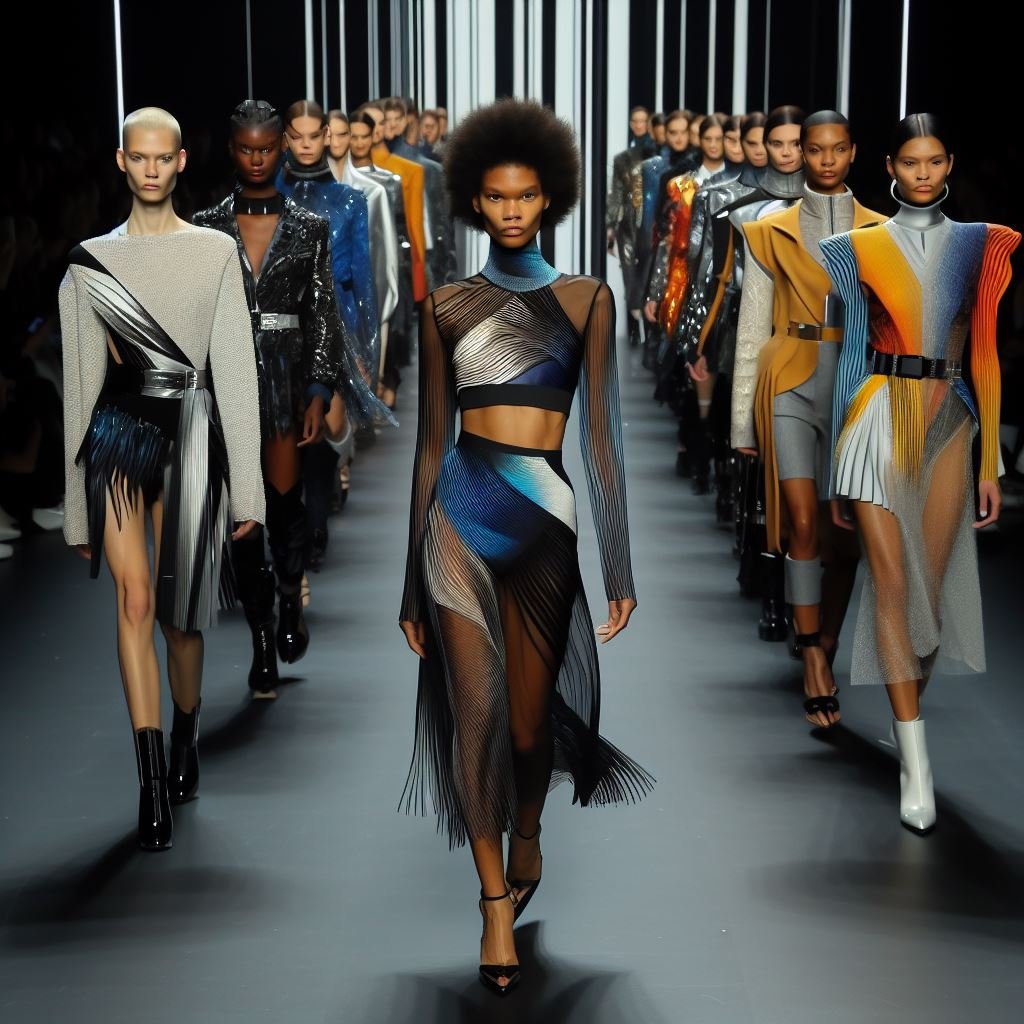
In the fast-paced world of fashion, staying ahead of the curve is paramount. Gone are the days when trends took seasons to emerge and dissipate. Today, the fashion landscape evolves at lightning speed, with new styles emerging and fading almost in real-time. In this article, we delve into the intricacies of real-time fashion trend tracking, exploring its significance, technological underpinnings, and implications for brands and consumers alike.

Introduction
Real-time fashion trend tracking refers to the process of monitoring, analyzing, and predicting trends as they unfold in the ever-dynamic fashion industry. Enabled by cutting-edge technology and fueled by vast amounts of data, this practice has revolutionized how brands, retailers, and consumers engage with fashion.
Why Real-Time Fashion Trends Matter
In a world where trends come and go in the blink of an eye, keeping abreast of the latest fashion movements is crucial. For consumers, being in tune with current trends not only enhances their style quotient but also influences their purchasing decisions. Likewise, for brands and retailers, understanding real-time trends is essential for designing products that resonate with their target audience and driving sales.

Technological Advancements in Real-Time Trend Tracking
Advancements in artificial intelligence (AI) and machine learning have been instrumental in enabling real-time trend tracking. These technologies allow fashion companies to sift through vast amounts of data—from social media posts to runway shows—to identify emerging trends with unprecedented accuracy. Additionally, sophisticated algorithms analyze consumer behavior and preferences, further refining trend predictions.
Key Players in Real-Time Fashion Trend Tracking
Several companies and platforms specialize in real-time fashion trend tracking, each employing unique methodologies. From trend forecasting agencies to AI-powered software solutions, these players play a crucial role in shaping the fashion landscape. Leading names include WGSN, Edited, and Stylumia, among others, each offering valuable insights into evolving trends.
The Impact of Social Media on Real-Time Trend Tracking
Social media platforms have emerged as powerful catalysts for real-time trend identification. Platforms like Instagram and TikTok serve as breeding grounds for new styles, with influencers and everyday users alike showcasing their fashion choices. By harnessing user-generated content and monitoring engagement metrics, brands can glean invaluable insights into emerging trends.
How Brands Use Real-Time Trend Data
Armed with real-time trend data, brands can tailor their marketing strategies to capitalize on prevailing trends. From targeted social media campaigns to personalized product recommendations, data-driven insights enable brands to connect with consumers on a deeper level. Moreover, agile manufacturing processes allow brands to swiftly respond to changing trends, minimizing the risk of excess inventory.
Challenges in Real-Time Fashion Trend Tracking
Despite its myriad benefits, real-time trend tracking is not without its challenges. Data accuracy and reliability remain pressing concerns, as trends can be fleeting and subject to interpretation. Moreover, there is a fine line between following trends and maintaining brand identity, posing a dilemma for many fashion companies.
Ethical Considerations
As real-time trend tracking relies heavily on consumer data, ethical considerations come into play. Privacy concerns loom large, prompting calls for greater transparency in data collection and usage. Striking a balance between leveraging data for trend forecasting and respecting consumer privacy is paramount for ethical fashion practices.
Future Trends in Real-Time Fashion Trend Tracking
Looking ahead, the future of real-time fashion trend tracking holds immense promise. Advancements in technology, such as augmented reality and virtual try-on, are poised to transform the way consumers interact with fashion. Additionally, the integration of real-time trend data into virtual shopping experiences heralds a new era of personalized retail.
Conclusion
In an industry where change is the only constant, real-time fashion trend tracking has emerged as a game-changer. By leveraging cutting-edge technology and harnessing vast amounts of data, brands and retailers can navigate the ever-evolving fashion landscape with confidence. As we embrace the future of fashion, one thing remains clear: the pulse of fashion beats in real-time.
FAQs
- How accurate are real-time fashion trend predictions?Real-time fashion trend predictions rely on advanced algorithms and data analytics, making them highly accurate in identifying emerging trends. However, factors such as data quality and interpretation can influence their accuracy.
- What role does social media play in real-time trend tracking?Social media platforms serve as invaluable sources of real-time trend data, allowing brands to monitor consumer behavior and preferences in real-time. Influencers and user-generated content play a significant role in shaping fashion trends on these platforms.
- How do brands balance between following trends and maintaining their identity?Balancing between following trends and maintaining brand identity requires a nuanced approach. Brands must understand their target audience and core values while leveraging real-time trend data to stay relevant in the market.
- Are there any privacy concerns associated with real-time trend tracking?Yes, privacy concerns are a significant consideration in real-time trend tracking, as it often involves the collection and analysis of consumer data. Brands must prioritize transparency and ethical data practices to address these concerns.
- What are some future trends in real-time fashion trend tracking?The future of real-time fashion trend tracking lies in advancements such as augmented reality and virtual try-on experiences. These technologies promise to revolutionize how consumers engage with fashion, offering personalized and immersive shopping experiences.