Introduction
In the ever-evolving world of fashion, staying ahead of the curve is crucial. Fashion insiders understand that trends are not just ephemeral whims but rather reflections of societal shifts, cultural influences, and technological advancements. In this article, we delve into the various avenues through which fashion trends emerge, examining the key players and sources that shape the industry’s landscape.

Fashion Weeks: The Epicenter of Trends
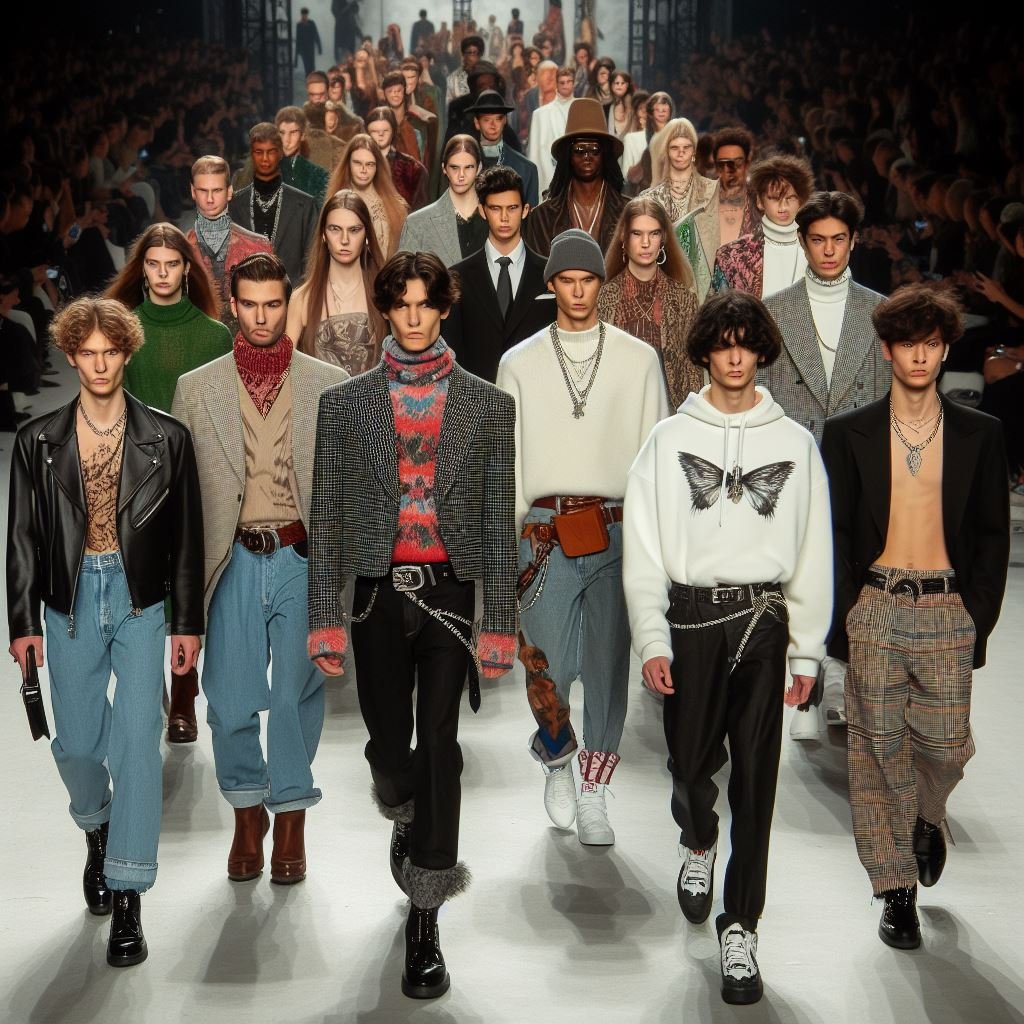
Fashion weeks serve as the heartbeat of the industry, where designers unveil their latest creations to an eager audience of buyers, media, and influencers. From New York to Paris, these events dictate the direction of fashion for the coming seasons, setting the tone for designers, retailers, and consumers alike.
Street Style: Ground Zero for Inspiration
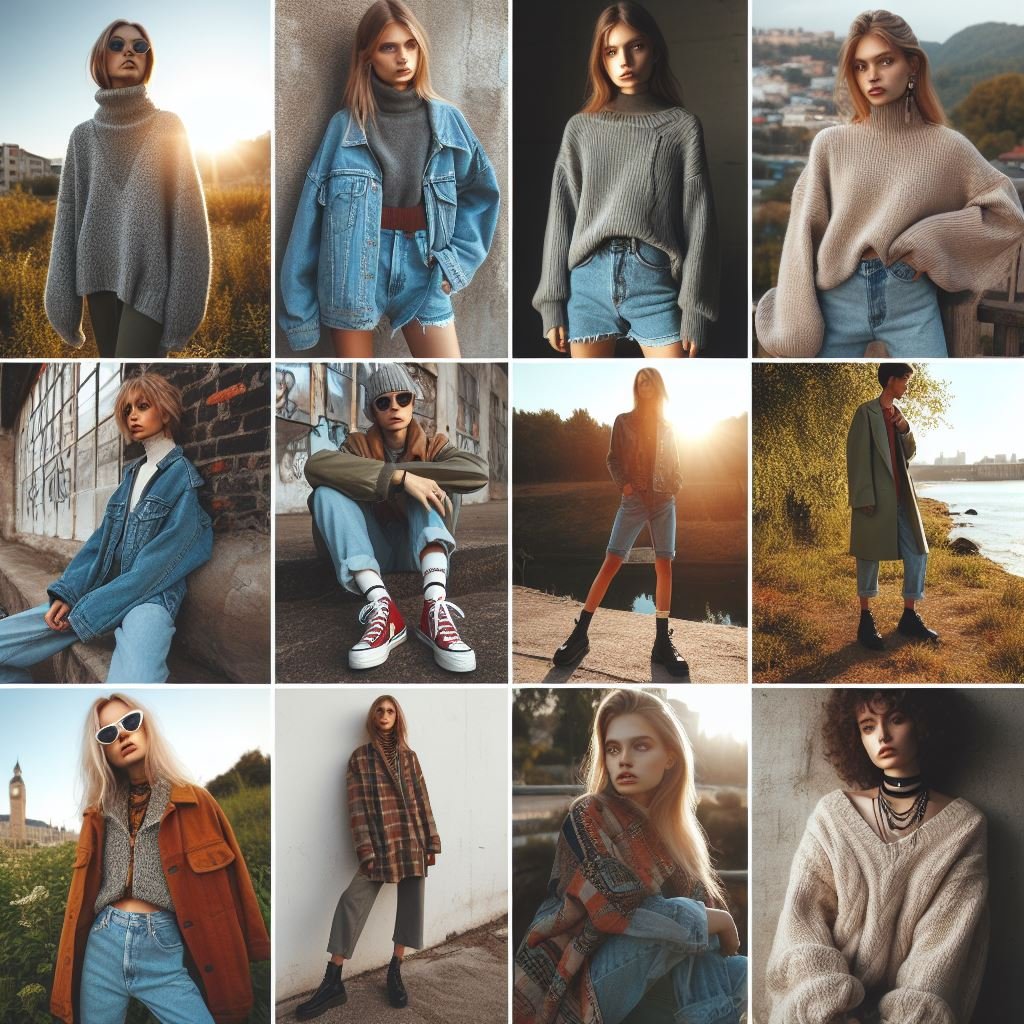
In the age of social media, street style has emerged as a powerful force in shaping fashion trends. Captured by photographers during fashion weeks and everyday life, street style offers a raw, unfiltered glimpse into the sartorial choices of individuals worldwide, serving as a breeding ground for inspiration and innovation.

Social Media: The New Fashion Frontier
The rise of social media has democratized fashion, allowing anyone with a smartphone to become a trendsetter. Platforms like Instagram, TikTok, and Pinterest have become virtual runways, where fashion enthusiasts can showcase their personal style, discover new trends, and connect with like-minded individuals across the globe.
Influencers: Trendsetters of the Digital Age
Influencers wield immense power in the digital age, with their curated feeds and sponsored content shaping the tastes and preferences of millions. From fashion bloggers to Instagram stars, these digital tastemakers play a pivotal role in amplifying trends and driving consumer behavior.

Runway Shows: Predicting Future Trends
Runway shows offer a glimpse into the future of fashion, with designers presenting their vision for the seasons ahead. From avant-garde couture to ready-to-wear collections, these spectacles provide valuable insights into the colors, silhouettes, and motifs that will dominate the fashion landscape.
Fashion Forecasting: The Science Behind the Trends
Behind the scenes, fashion forecasters employ a mix of data analysis, trend research, and intuition to predict the next big thing. Drawing from sources ranging from art and architecture to music and politics, these experts decode cultural cues and consumer behavior to anticipate future trends.
Celebrities: Trend Amplifiers
Celebrities have long served as fashion muses, with their red carpet appearances and off-duty looks influencing trends and sparking consumer demand. Whether it’s a viral outfit worn by a Hollywood star or a collaboration with a pop icon, celebrities have the power to catapult trends into the mainstream.
Retailers: Connecting Trends with Consumers
Retailers play a pivotal role in bringing trends from the runway to the masses, curating collections that resonate with their target audience. From fast fashion giants to luxury boutiques, these intermediaries bridge the gap between designers and consumers, translating runway trends into wearable garments.
Digital Analytics: Data-Driven Trend Analysis
In the digital age, data is king, and fashion is no exception. Brands leverage analytics tools to track consumer preferences, monitor social media trends, and optimize their marketing strategies in real-time, ensuring they stay ahead of the curve in an increasingly competitive landscape.
Cultural Influences: Shaping Fashion Trends
Culture serves as a rich tapestry of inspiration for fashion designers, with diverse traditions, rituals, and histories influencing the aesthetic landscape. From traditional textiles to indigenous craftsmanship, cultural influences infuse fashion with depth, meaning, and authenticity.
Sustainability: The Shift Towards Conscious Fashion
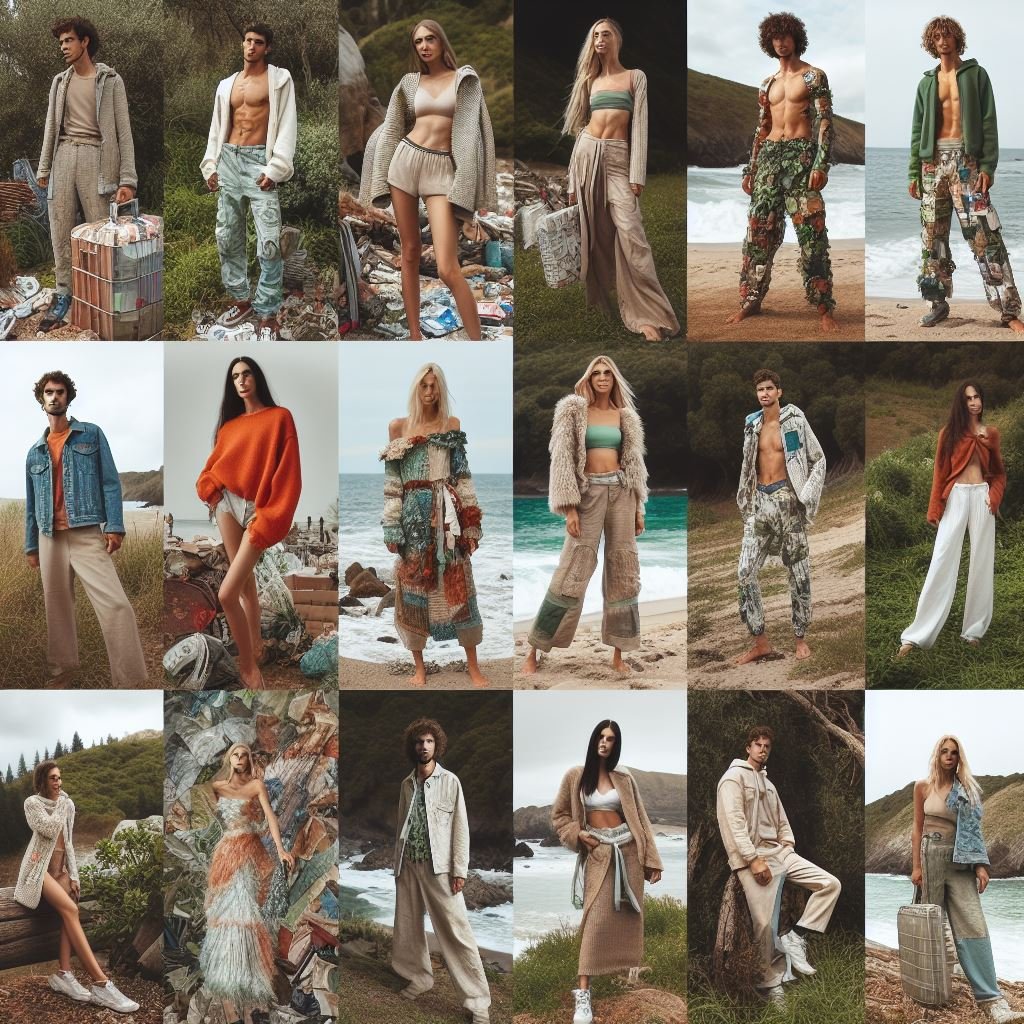
As awareness of environmental and social issues grows, so too does the demand for sustainable fashion. From eco-friendly materials to ethical labor practices, consumers are increasingly prioritizing brands that align with their values, driving a paradigm shift towards conscious consumption.
Fashion Capitals: Hubs of Innovation
Fashion capitals like Paris, Milan, and Tokyo are synonymous with creativity, innovation, and sartorial excellence. These cosmopolitan hubs serve as melting pots of culture and commerce, attracting designers, artists, and tastemakers from around the world, and setting the stage for groundbreaking collaborations and trends.
Collaborations: Cross-Pollination of Trends
Collaborations between designers, brands, and artists have become increasingly common in the fashion industry, blurring the lines between high fashion and streetwear, luxury and mass-market. These partnerships foster creativity, cross-pollinate ideas, and push the boundaries of traditional fashion.
Conclusion
In a world where trends come and go with lightning speed, staying ahead of the curve requires vigilance, creativity, and a keen understanding of the forces shaping the fashion landscape. By keeping a finger on the pulse of fashion weeks, street style, social media, and cultural trends, fashion insiders can anticipate the next big thing and chart a course towards sartorial success.
FAQs
- How do fashion insiders predict future trends? Fashion insiders employ a mix of data analysis, trend research, and intuition to predict future trends, drawing from sources ranging from runway shows to street style and social media.
- What role do influencers play in shaping fashion trends? Influencers wield immense power in the digital age, with their curated feeds and sponsored content shaping the tastes and preferences of millions, amplifying trends, and driving consumer behavior.
- Why are fashion weeks important in the industry? Fashion weeks serve as the epicenter of the industry, dictating the direction of fashion for the coming seasons, setting the tone for designers, retailers, and consumers alike.
- How does sustainability influence fashion trends? As awareness of environmental and social issues grows, so too does the demand for sustainable fashion, driving a paradigm shift towards eco-friendly materials, ethical labor practices, and conscious consumption.
- What role do celebrities play in the fashion industry? Celebrities serve as trend amplifiers, with their red carpet appearances and off-duty looks influencing trends and sparking consumer demand, catapulting trends into the mainstream.