Introduction to DIY Clothing
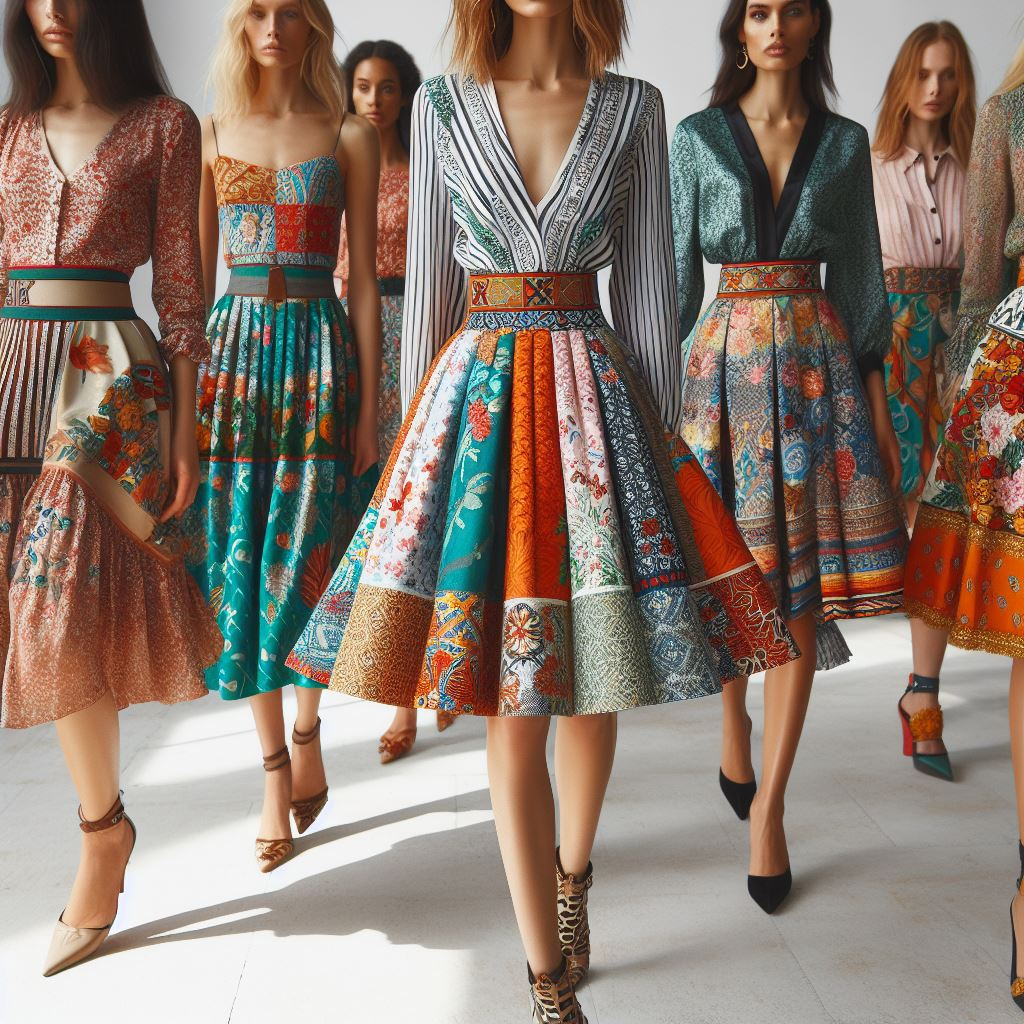
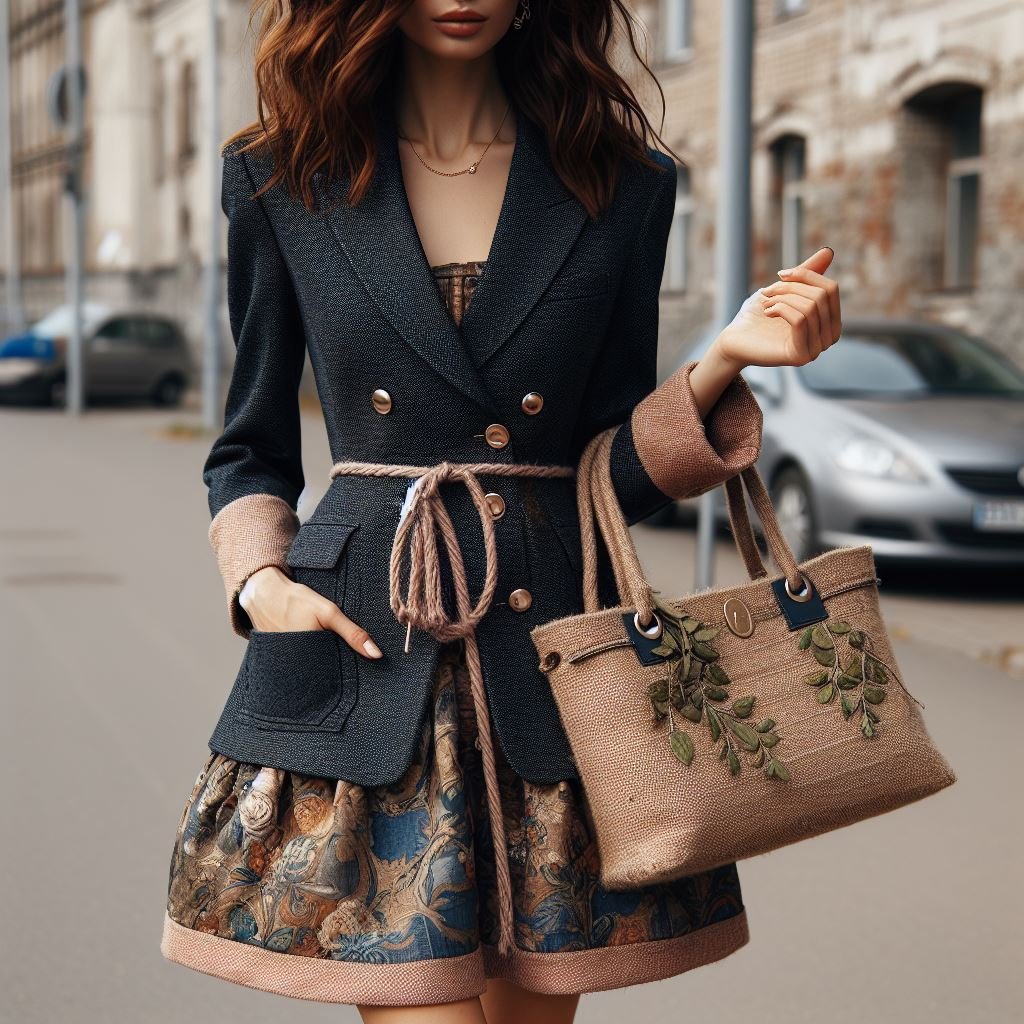
Fashion is not merely about following trends; it’s about self-expression and creativity. In recent years, Do-It-Yourself (DIY) clothing has emerged as a powerful means for individuals to express their unique style while also contributing to sustainability efforts in the fashion industry.

Benefits of DIY Clothing
Embracing DIY clothing offers a plethora of benefits. Firstly, it allows individuals to personalize their wardrobe, creating pieces that reflect their personality and tastes. Additionally, DIY clothing is often more cost-effective compared to purchasing ready-made garments, making fashion accessible to all. Furthermore, by repurposing old garments or using eco-friendly materials, DIY enthusiasts contribute to reducing waste and promoting environmental sustainability.
Tools and Materials
To embark on a DIY clothing journey, one must equip themselves with essential tools such as sewing machines, needles, threads, and scissors. Additionally, various materials like fabrics, paints, dyes, and embellishments are commonly used in DIY fashion projects.
Getting Started with DIY Clothing
Finding inspiration is the first step in creating DIY clothing. Whether it’s browsing through fashion magazines, exploring online platforms, or drawing inspiration from nature, ideas can be found everywhere. Once inspired, selecting suitable clothing items to transform is crucial. Whether it’s revamping an old t-shirt or upcycling a thrifted dress, the possibilities are endless.
Basic Techniques
For beginners, mastering basic techniques is essential. Sewing basics such as hemming, stitching, and attaching buttons form the foundation of DIY clothing projects. Additionally, techniques like fabric painting, printing, embroidery, and appliqué can add unique details to garments.

Intermediate Techniques
As one progresses, intermediate techniques like tie-dyeing, fabric dyeing, and patchwork offer more opportunities for experimentation. These techniques allow for the creation of intricate patterns and designs, adding depth and texture to clothing pieces.
Advanced Techniques
For seasoned DIY enthusiasts, advanced techniques like pattern drafting, fabric manipulation, and intricate beading open up new avenues for creativity. These techniques require patience and precision but result in truly one-of-a-kind creations.
Tips for Success
Patience and perseverance are key when it comes to DIY clothing. Learning from mistakes and embracing failures as opportunities for growth are essential attitudes to adopt. Moreover, don’t be afraid to experiment and push boundaries – innovation often stems from stepping out of your comfort zone.
Showcasing Your Creations
Once your DIY creations are complete, it’s time to showcase them to the world. Social media platforms like Instagram and Pinterest provide excellent avenues for sharing your work with a global audience. Additionally, participating in local markets, craft fairs, or selling on online marketplaces allows you to connect with like-minded individuals and potential customers.
Challenges and Solutions
While DIY clothing is immensely rewarding, it comes with its own set of challenges. Time constraints, limited resources, and creative blocks are common hurdles faced by DIY enthusiasts. However, by prioritizing tasks, being resourceful, and seeking inspiration from diverse sources, these challenges can be overcome.
DIY Clothing Communities
Engaging with DIY clothing communities is a great way to learn, share ideas, and find support. Online forums and social media groups provide platforms for connecting with fellow enthusiasts, while workshops and meetups offer opportunities for hands-on learning and collaboration.
Impact of DIY Clothing on Fashion Industry
The rise of DIY clothing has had a profound impact on the fashion industry. It has sparked a shift in consumer preferences towards individuality and sustainability, challenging traditional notions of mass-produced fashion. DIY trends often influence mainstream fashion, showcasing the power of grassroots movements in shaping industry trends.
Case Studies
Numerous success stories highlight the potential of DIY fashion to disrupt the industry. From independent designers launching their own DIY clothing brands to hobbyists turning their passion into profitable ventures, these case studies exemplify the transformative power of creativity and innovation.
Future of DIY Clothing
Looking ahead, the future of DIY clothing looks promising. With advancements in technology and a growing focus on sustainability, DIY fashion is poised to become even more accessible and impactful. Integrating digital tools for design and production and embracing sustainable practices will further propel the DIY movement forward.
Conclusion
In conclusion, DIY clothing offers a platform for self-expression, creativity, and sustainability in the fashion industry. By embracing DIY fashion, individuals can reclaim agency over their style, contribute to reducing waste, and inspire positive change. So, roll up your sleeves, unleash your creativity, and let your fashion artistry shine!
FAQs (Frequently Asked Questions)
- Is DIY clothing difficult to make? DIY clothing can be as simple or complex as you make it. Starting with basic projects and gradually advancing to more intricate designs can help build confidence and skills.
- Do I need expensive equipment to get started with DIY clothing? Not necessarily. While some tools and equipment are essential, many DIY projects can be done with basic supplies and materials that are readily available.
- How can I find inspiration for my DIY clothing projects? Inspiration can come from anywhere – nature, art, culture, or even everyday objects. Keep an open mind and allow yourself to be inspired by the world around you.
- What if I make a mistake while working on a DIY project? Mistakes are part of the learning process. Instead of getting discouraged, use mistakes as opportunities to learn and improve. Remember, there are no mistakes in art, only happy accidents!
- Can I sell my DIY clothing creations? Absolutely! Many DIY enthusiasts turn their hobby into a side hustle by selling their creations online or at local markets. Just be sure to respect copyright laws and ethical practices in your business endeavors.