Custom closets have revolutionized the way we approach wardrobe organization, offering tailored solutions to suit individual preferences and lifestyle needs. In today’s fast-paced world, where personal style is increasingly celebrated, DIY fashion in custom closets has emerged as a popular choice for those seeking to express themselves creatively while optimizing their space.

Understanding Custom Closets
Custom closets, as the name suggests, are personalized storage solutions designed to maximize space and enhance organization. Unlike standard closets, which often come with predetermined layouts and limited flexibility, custom closets offer a bespoke approach, allowing individuals to customize every aspect according to their specific requirements. From clothing racks and shelving units to shoe racks and accessory drawers, the possibilities are endless with custom closets.
Benefits of DIY Fashion in Custom Closets
Embracing DIY fashion in custom closets comes with a myriad of benefits. Firstly, it empowers individuals to unleash their creativity and express their unique sense of style. Whether it’s through customizing clothing arrangements or designing innovative storage solutions, DIY fashion allows for a personalized touch that reflects one’s personality and preferences.
Moreover, DIY fashion in custom closets is often more cost-effective than opting for professional installation. By taking a hands-on approach, individuals can save on labor costs and tailor their closets to suit their budgetary constraints. Additionally, DIY projects enable greater flexibility, allowing for ongoing modifications and updates as personal style preferences evolve over time.

Key Components of DIY Fashion in Custom Closets
When embarking on a DIY fashion project for your custom closet, it’s essential to consider several key components. Firstly, focus on optimizing clothing organization to maximize space and accessibility. Utilize a combination of hanging rods, shelves, and drawers to categorize and arrange garments effectively.
Next, pay attention to accessories arrangement, ensuring that jewelry, belts, scarves, and other items are displayed and stored in a way that is both practical and aesthetically pleasing. Consider incorporating hooks, trays, and dividers to keep accessories neatly organized and easily accessible.
Finally, embrace personalized styling by infusing your closet design with elements that reflect your individual taste and lifestyle. Whether it’s incorporating favorite colors, patterns, or decorative accents, let your personality shine through in every aspect of your custom closet design.
Designing Your Custom Closet
Designing a custom closet begins with a thorough assessment of available space and storage needs. Measure the dimensions of your closet area and take inventory of your wardrobe to determine the types and quantities of storage solutions required.
When selecting materials for your custom closet, prioritize durability and functionality. Opt for high-quality materials such as solid wood or durable laminate that can withstand daily wear and tear. Consider factors such as ease of maintenance and compatibility with your overall design aesthetic.
As you plan your custom closet layout, think about how to optimize space utilization to accommodate all your clothing and accessories while maintaining a sense of order and accessibility. Incorporate a mix of hanging, shelving, and drawer options to accommodate different types of garments and accessories.
DIY Closet Organization Tips
Efficient closet organization is essential for maximizing space and maintaining a clutter-free environment. Start by decluttering your wardrobe and purging items that you no longer wear or need. Donate or recycle items that are in good condition but no longer serve you.
Next, implement storage solutions that make the most of your available space. Utilize vertical space by installing double-hang rods or stacking shelves to maximize storage capacity. Invest in storage bins, baskets, and organizers to corral smaller items and keep them neatly contained.
Maintaining organization in your custom closet requires ongoing effort and discipline. Make it a habit to return items to their designated spots after each use and periodically reassess your storage needs to ensure that your closet remains functional and clutter-free.
Inspirational DIY Fashion Ideas
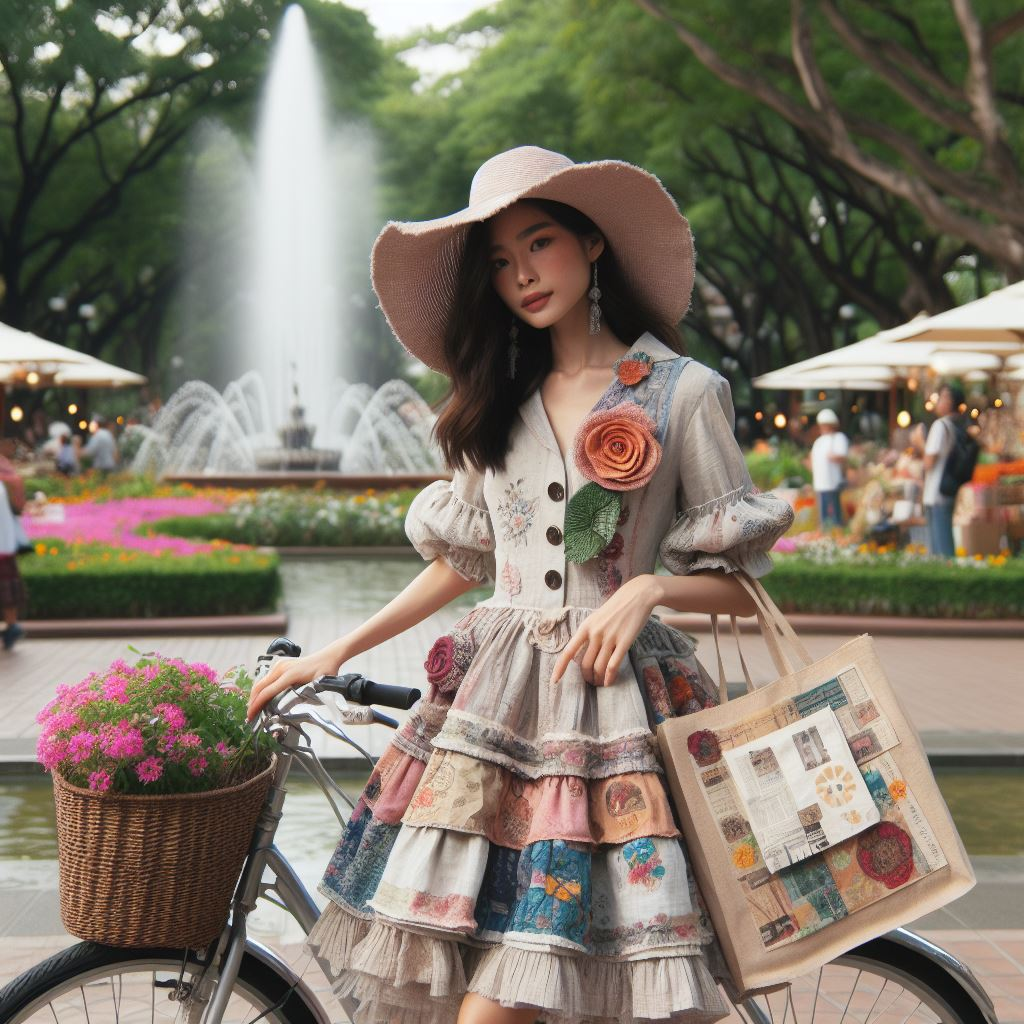
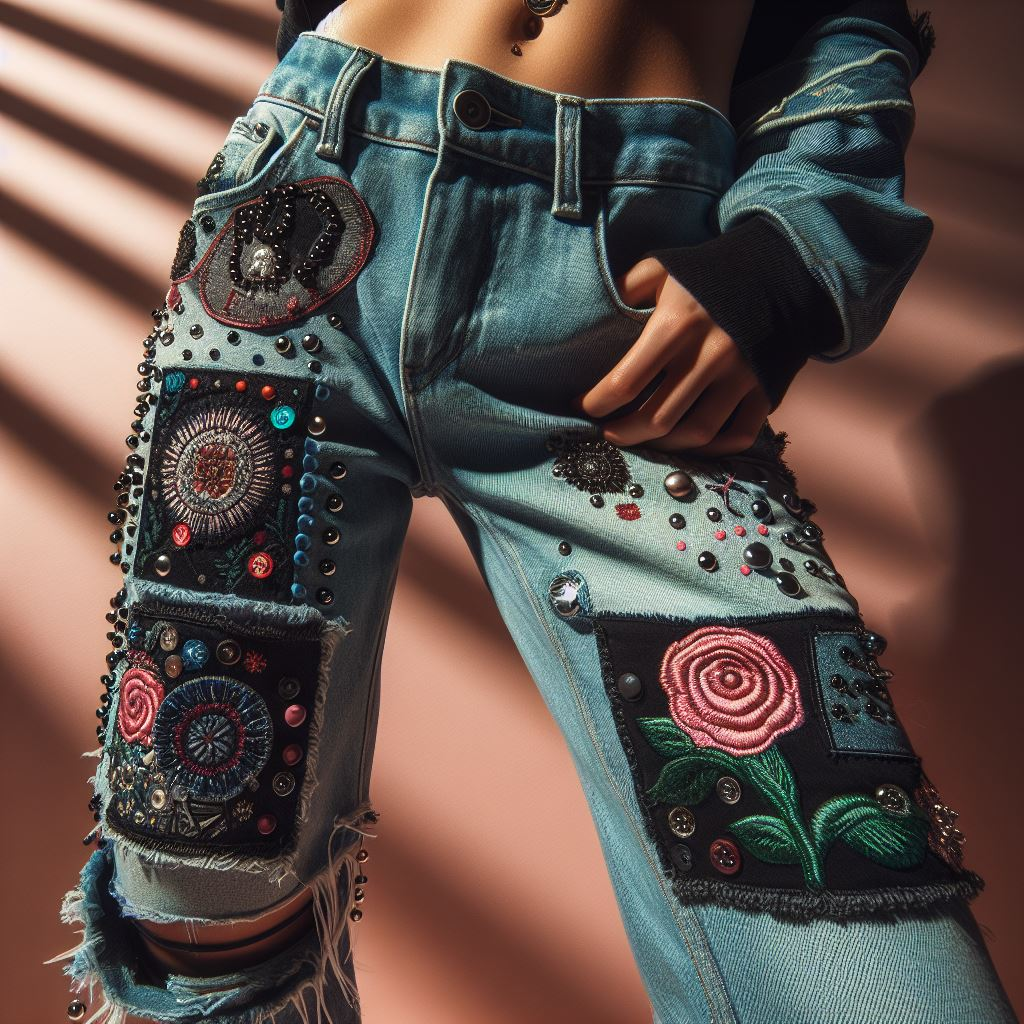
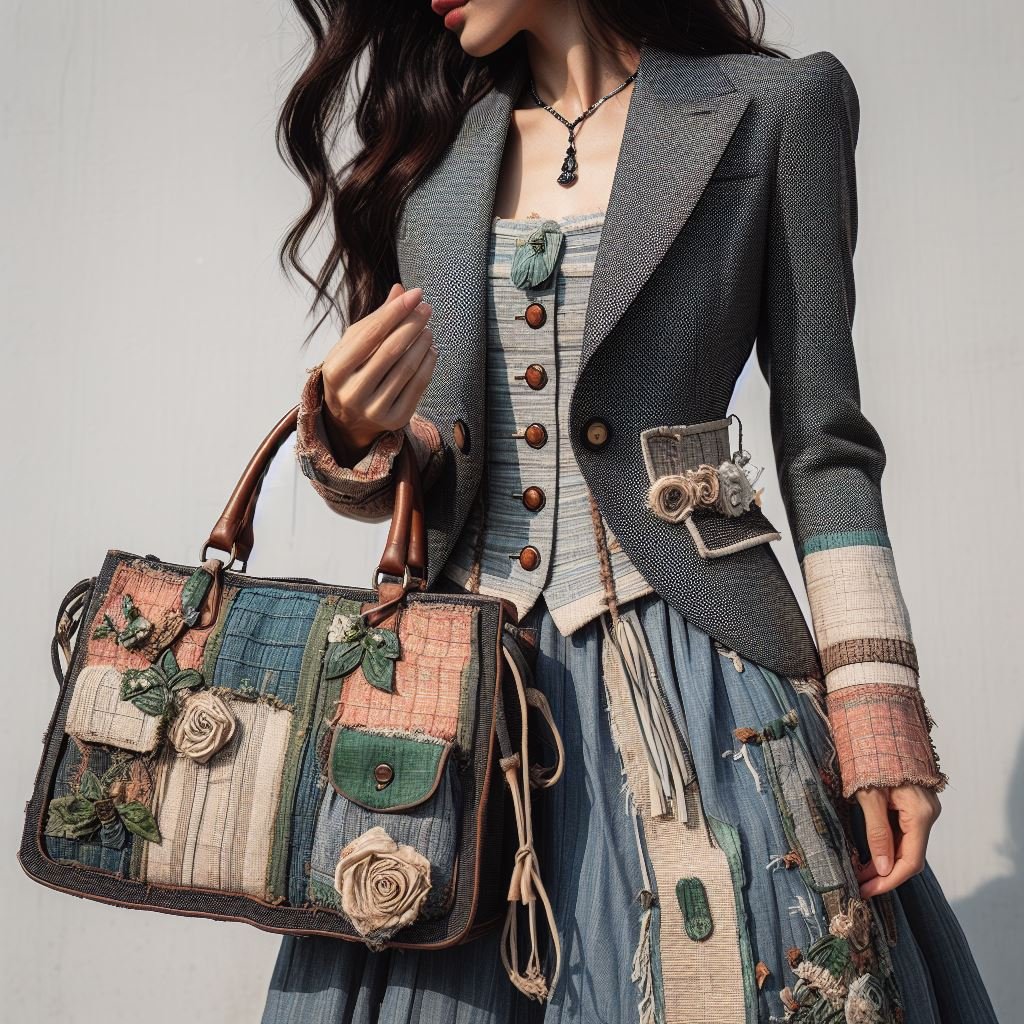
When it comes to DIY fashion in custom closets, the possibilities are limitless. Experiment with mixing and matching clothing to create new and unexpected outfit combinations. Repurpose old garments by upcycling them into trendy new pieces or incorporating them into your wardrobe in creative ways.
Get creative with accessories by crafting custom jewelry, embellishing clothing with decorative accents, or repurposing household items into unique accessories. DIY fashion is all about thinking outside the box and embracing your creativity to personalize your style.
Sustainability in DIY Fashion and Custom Closets
In addition to being a creative outlet, DIY fashion in custom closets can also contribute to sustainability efforts by promoting mindful consumption and reducing waste. By repurposing old garments, upcycling materials, and embracing a “make do and mend” mentality, individuals can minimize their environmental impact and support a more sustainable approach to fashion.
Ethical considerations also come into play when engaging in DIY fashion projects. By taking control of the production process and sourcing materials responsibly, individuals can ensure that their custom closets are aligned with their values and ethical standards.
Challenges and Solutions in DIY Fashion
While DIY fashion offers numerous benefits, it’s not without its challenges. Time commitment is often cited as a barrier, as DIY projects can be time-consuming, especially for those with busy schedules. However, by breaking larger projects into smaller, manageable tasks and setting aside dedicated time for DIY projects, individuals can overcome this challenge and enjoy the process of creating their custom closets.
Skill level is another potential obstacle for DIY enthusiasts, particularly those who may not have prior experience with carpentry or home improvement projects. Fortunately, there are plenty of resources available, including online tutorials, workshops, and community forums, where individuals can learn new skills and gain confidence in their DIY abilities.
Cost Comparison: DIY vs. Professional Custom Closets
When weighing the costs of DIY fashion versus professional custom