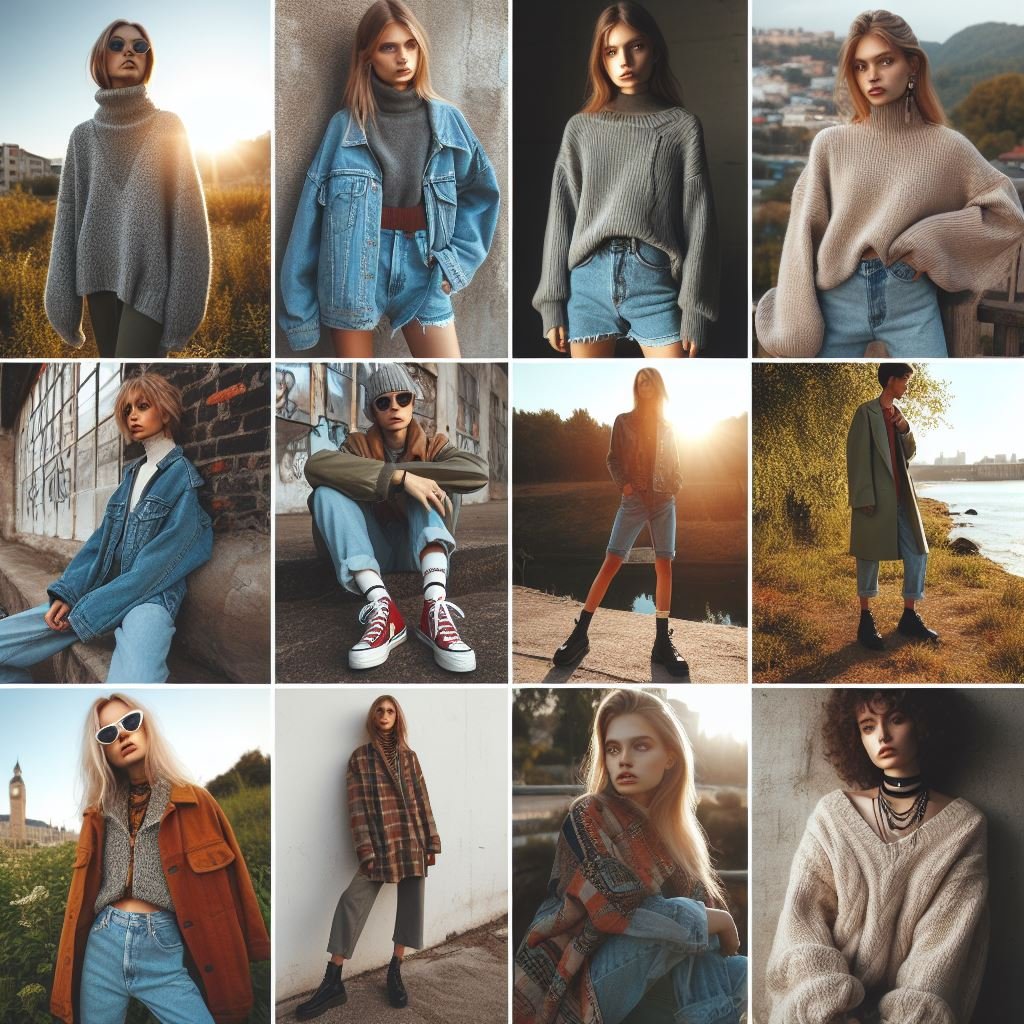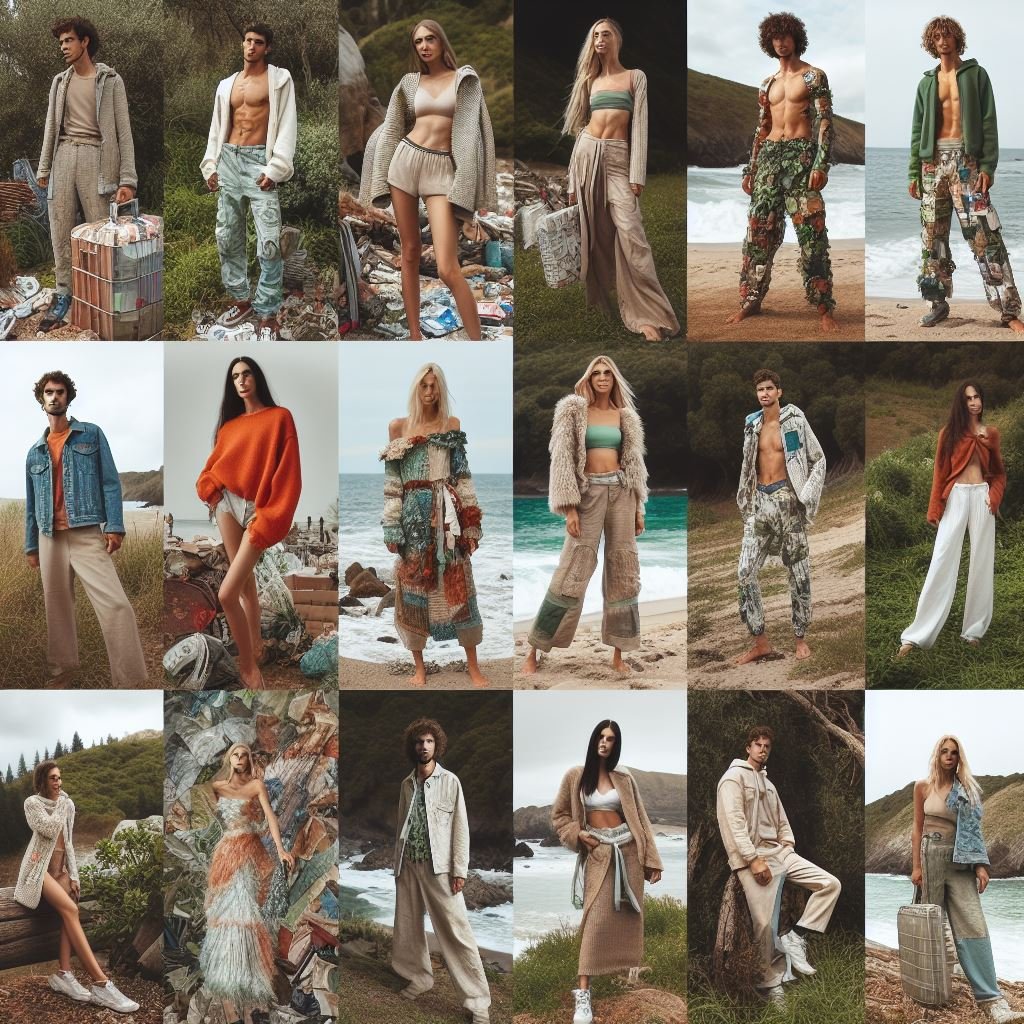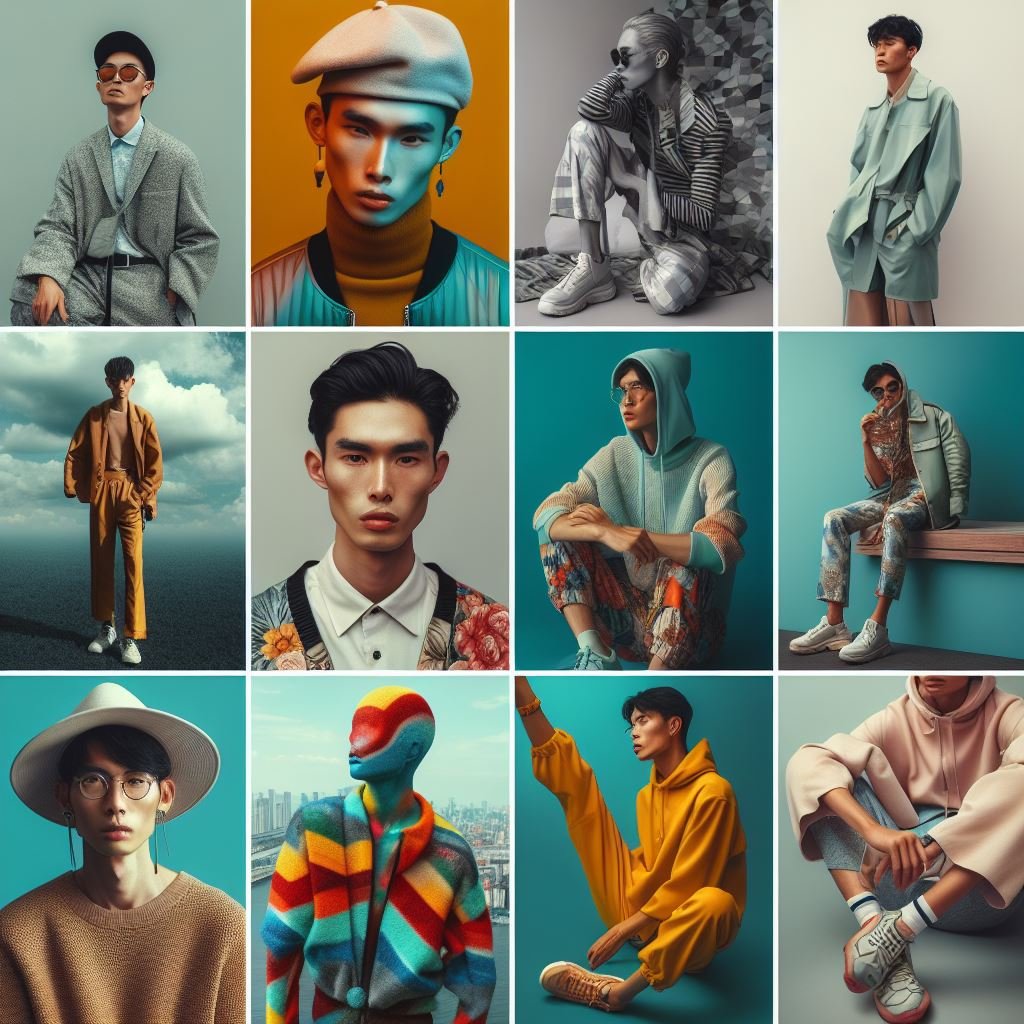
Fashion is a dynamic industry that is constantly evolving, with trends coming and going at a rapid pace. For fashion enthusiasts and industry professionals alike, staying ahead of the curve is essential to remain relevant in an ever-changing landscape. In this article, we’ll delve into the world of fashion forecasting, exploring the techniques, trends, and challenges involved in predicting tomorrow’s trendiest styles.

Understanding Fashion Trends
Fashion trends are not arbitrary; they are influenced by a myriad of factors including cultural shifts, social movements, technological advancements, and even environmental concerns. Understanding these influences is key to accurately predicting future trends. Fashion forecasting involves analyzing current trends, identifying emerging styles, and anticipating the direction in which fashion is headed.
Current Trends Analysis
To predict tomorrow’s trendiest styles, it’s essential to first analyze current trends. This involves studying the latest fashion shows, runway collections, and street style looks to identify patterns and themes. By closely examining what’s popular now, we can gain insights into what might be popular in the future.

Predictive Techniques
Fashion forecasting relies on a combination of data-driven techniques, trend analysis tools, and expert opinions. Data analytics allows us to identify patterns and correlations in consumer behavior, while trend analysis tools help us visualize and interpret this data. Additionally, industry experts provide invaluable insights and intuition that cannot be gleaned from data alone.
Technological Influence
Technology plays a significant role in fashion forecasting, with advancements in AI and machine learning revolutionizing the way trends are predicted. AI algorithms can analyze vast amounts of data to identify patterns and predict future trends with remarkable accuracy. From social media monitoring to trend prediction software, technology is reshaping the fashion industry in profound ways.
Cultural and Social Influences
Cultural and social factors also play a crucial role in shaping fashion trends. From music and art to politics and activism, cultural shifts influence the way we dress and express ourselves through fashion. Social media platforms like Instagram and TikTok have amplified these influences, democratizing fashion and giving rise to new trends at lightning speed.
Environmental Sustainability
In recent years, environmental sustainability has become a major concern in the fashion industry. As consumers become more conscious of the environmental impact of their clothing choices, sustainable fashion is predicted to become increasingly popular. From eco-friendly materials to ethical production practices, the future of fashion is likely to be more sustainable and socially responsible.
Fashion Forecasting Challenges
Despite the advancements in technology and data analytics, fashion forecasting is not without its challenges. The unpredictable nature of fashion, coupled with rapidly changing consumer preferences, makes it difficult to accurately predict future trends. Additionally, cultural and social factors can introduce unforeseen variables that complicate the forecasting process.
Case Studies
Examining past successes in fashion forecasting can provide valuable insights into effective prediction strategies. From predicting the rise of athleisure to anticipating the comeback of vintage denim, there are countless examples of successful trend predictions that offer lessons for the future.
Emerging Markets
As the global fashion landscape continues to evolve, emerging markets are poised to play a significant role in shaping future trends. From Asia-Pacific to Africa, these markets offer new opportunities for growth and innovation, with unique cultural influences that are sure to impact global fashion trends.
Consumer Behavior Analysis
Understanding consumer behavior is essential for predicting fashion trends. By analyzing shopping habits, preferences, and purchasing decisions, we can gain valuable insights into what drives consumer demand and influences fashion trends.
Fashion Forecasting in Practice
Implementing fashion forecasts requires a strategic approach that takes into account both data-driven insights and expert intuition. By combining quantitative analysis with qualitative research, fashion brands can develop strategies to stay ahead of the competition and anticipate future trends.
Sustainability and Ethical Fashion
The rise of ethical consumerism is reshaping the fashion industry, with consumers increasingly demanding transparency and accountability from brands. As sustainability becomes a key focus for fashion brands, we can expect to see a shift towards more ethical and environmentally friendly practices in the years to come.
Global Influences
Globalization has brought the world closer together, resulting in a melting pot of cultural influences that shape fashion trends on a global scale. From street style in Tokyo to haute couture in Paris, the diversity of global fashion is a testament to the interconnectedness of our world.
Conclusion
Fashion forecasting is both an art and a science, requiring a keen understanding of cultural, social, and technological trends. By analyzing current trends, leveraging predictive techniques, and staying attuned to consumer behavior, fashion brands can anticipate tomorrow’s trendiest styles and stay ahead of the curve in an ever-changing industry.
FAQs:
- How accurate are fashion forecasts? Fashion forecasting is not an exact science, and predictions can vary in accuracy. While data-driven techniques have improved forecasting capabilities, there are still factors that can influence trends unpredictably.
- What role does sustainability play in fashion forecasting? Sustainability is becoming increasingly important in fashion forecasting as consumers demand more eco-friendly and ethically produced clothing. Predicting the rise of sustainable fashion is essential for staying ahead in the industry.
- How do cultural influences impact fashion trends? Cultural influences play a significant role in shaping fashion trends, with different regions and communities contributing unique styles and aesthetics to the global fashion landscape.
- Is fashion forecasting only relevant for high-end fashion brands? No, fashion forecasting is relevant for brands across the spectrum, from high-end luxury labels to fast-fashion retailers. Anticipating trends and staying ahead of consumer demand is essential for success in the competitive fashion industry.
- What are some emerging trends to watch out for in the near future? Some emerging trends to watch out for include sustainable fashion, gender-neutral clothing, and the resurgence of vintage and retro styles. Keeping an eye on cultural shifts and technological advancements can help identify upcoming trends.